
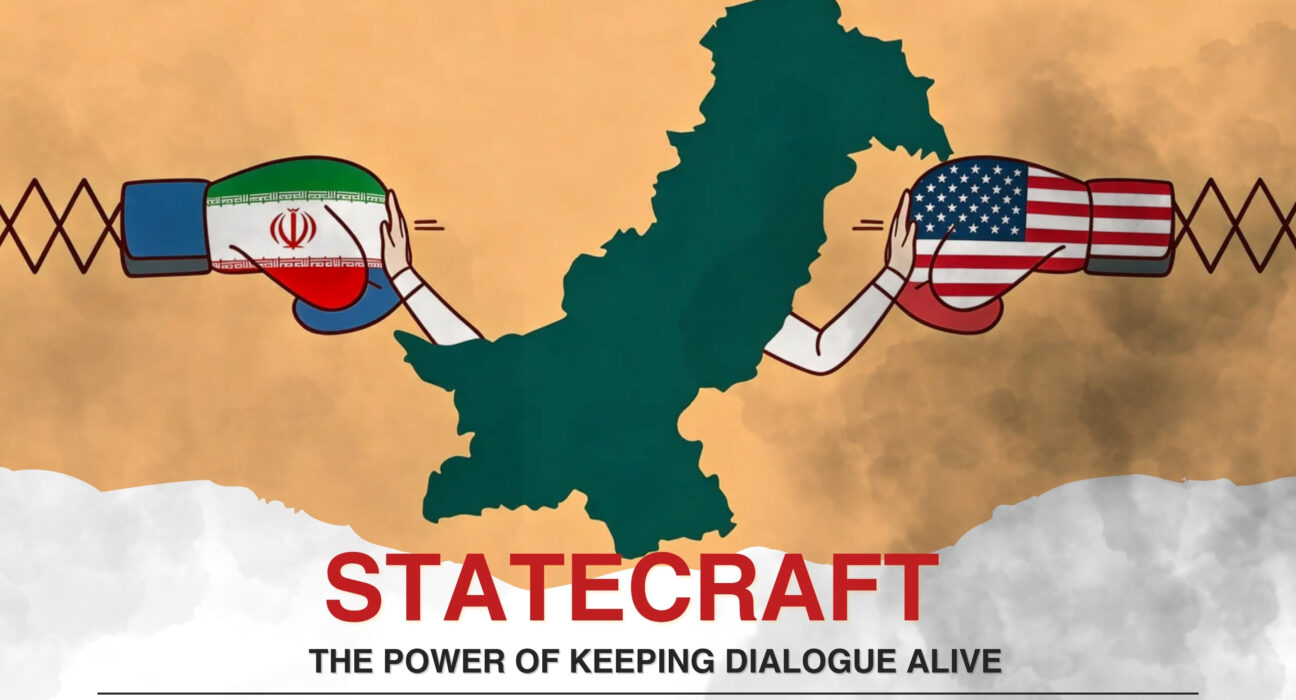
In international politics, military strength may be the most visible form of power, but the ability to create trust between adversaries is often the more difficult form of influence. Weapons can begin or sustain wars; ending them requires someone both sides are still willing to hear. Pakistan’s engagement amid tensions between Washington and Tehran should be understood in this larger context.
Pakistan’s significance lies not in its ability to impose peace, but in its capacity to keep the possibility of peace alive. By maintaining communication with both Washington and Tehran, Islamabad is attempting to preserve diplomatic space at a moment when mistrust could easily turn disagreement into prolonged confrontation.
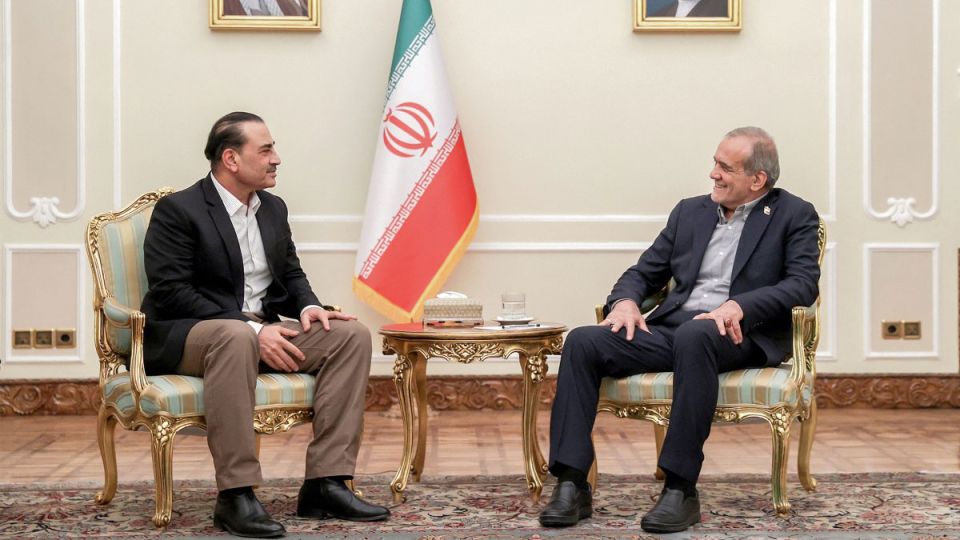
Field Marshal Asim Munir’s engagement is particularly significant in this regard. His interactions with Iran, alongside Pakistan’s contacts with the United States, demonstrate a form of statecraft that extends beyond conventional military leadership. The real value of such engagement is not simply that meetings take place, but that Pakistan retains access and credibility across political and security establishments that increasingly struggle to communicate directly with one another.
There is also a deeper lesson here about power. The highest expression of strength is not always the ability to fight a war; sometimes it is the influence required to prevent one. A military leader capable of employing his institutional weight in favour of dialogue demonstrates that strategic power can serve diplomacy rather than merely coercion.
Oman’s parallel efforts reinforce the same principle. Peace rarely arrives through one dramatic breakthrough. More often, it is constructed gradually through quiet communication, limited understandings and the rebuilding of confidence. Pakistan’s contribution is therefore valuable precisely because it helps preserve these channels when direct diplomacy becomes difficult.
Field Marshal Asim Munir’s role reflects an increasingly sophisticated understanding of Pakistan’s strategic position: military credibility and diplomatic influence need not be competing instruments of statecraft. Properly employed, one can strengthen the other.
Ultimately, history does not remember power only by the wars it wins. It also remembers those who, when confrontation appeared inevitable, kept a path back to dialogue open. If Pakistan can continue helping Washington and Tehran find that path, its contribution will represent not merely mediation, but the quieter and perhaps more enduring power of responsible statecraft.